Blackrock Crypto Etf Ethereum Investment Strategy Insights
Kicking off with blackrock crypto etf ethereum, this discussion highlights the intriguing move of BlackRock into the cryptocurrency space, particularly focusing on Ethereum. As one of the largest asset management firms globally, BlackRock's entry signals a growing acceptance of digital currencies within mainstream finance.
The implications of a BlackRock crypto ETF extending to Ethereum are profound, potentially opening doors for institutional investments and reshaping the market dynamics. This overview will explore BlackRock's strategy, the unique characteristics of Ethereum, and what this means for future investments in the cryptocurrency realm.
Overview of BlackRock and Their Crypto ETF Strategy
BlackRock, known as one of the largest asset management firms in the world, has made a significant move by entering the cryptocurrency market with its crypto ETF strategy. This entry is noteworthy, as it may signal a shift in how institutional investors view cryptocurrencies, particularly Ethereum. With BlackRock's reputation and resources, the implications of their involvement could reshape the landscape for institutional investments in crypto assets.BlackRock's decision to focus on a crypto ETF centered on Ethereum is driven by the growing interest in this leading smart contract platform.
Ethereum's established position in the market, coupled with its technological advancements, positions it as a prime candidate for institutional investment. This move could lead to enhanced legitimacy and wider acceptance of cryptocurrencies among traditional investors.
Understanding ETFs and Their Mechanism

Exchange-Traded Funds (ETFs) are investment funds that are traded on stock exchanges, much like individual stocks. They typically track an index, commodity, or a basket of assets, allowing investors to gain exposure to a variety of investments in a single transaction. For cryptocurrency, ETFs provide a regulated and simplified way for investors to enter the market without directly purchasing cryptocurrencies.In the context of cryptocurrency, ETFs can function by holding a variety of digital assets.
For instance, a crypto ETF may invest in Bitcoin, Ethereum, and other altcoins, allowing investors to benefit from the overall growth of the cryptocurrency market. Unlike traditional ETFs, crypto ETFs can face unique challenges, such as regulatory scrutiny and market volatility, which are particularly pronounced in the realm of digital currencies.
The Role of Ethereum in the Crypto ETF Landscape
Ethereum stands out as a favorable choice for crypto ETFs for several reasons. Primarily, its robust smart contract functionality and vast ecosystem of decentralized applications (dApps) make it more attractive to investors. The ongoing transition to Ethereum 2.0, which aims to improve scalability and sustainability, further enhances its appeal.Technologically, Ethereum offers advantages such as faster transaction speeds and lower fees compared to many other cryptocurrencies.
These features can entice ETF investors looking for reliable and innovative blockchain technology.
| Cryptocurrency | Market Cap | Transaction Speed | Smart Contracts | Adoption Rate |
|---|---|---|---|---|
| Ethereum | $X Billion | ~15 seconds | Yes | High |
| Bitcoin | $Y Billion | ~10 minutes | No | Very High |
| Cardano | $Z Billion | ~20 seconds | Yes | Moderate |
Regulatory Considerations for Crypto ETFs
The regulatory environment surrounding crypto ETFs is complex and still evolving. For BlackRock, navigating these regulations is crucial as they pursue a crypto ETF focused on Ethereum. Current regulations are primarily aimed at ensuring investor protection and market integrity, which could pose challenges for launching a crypto ETF.BlackRock may encounter hurdles related to compliance, especially with the U.S. Securities and Exchange Commission (SEC) regarding approval processes.
Recent discussions on adjusting regulatory frameworks for cryptocurrencies suggest a shifting landscape, but the timeline for any significant changes remains uncertain.
Market Reactions and Predictions
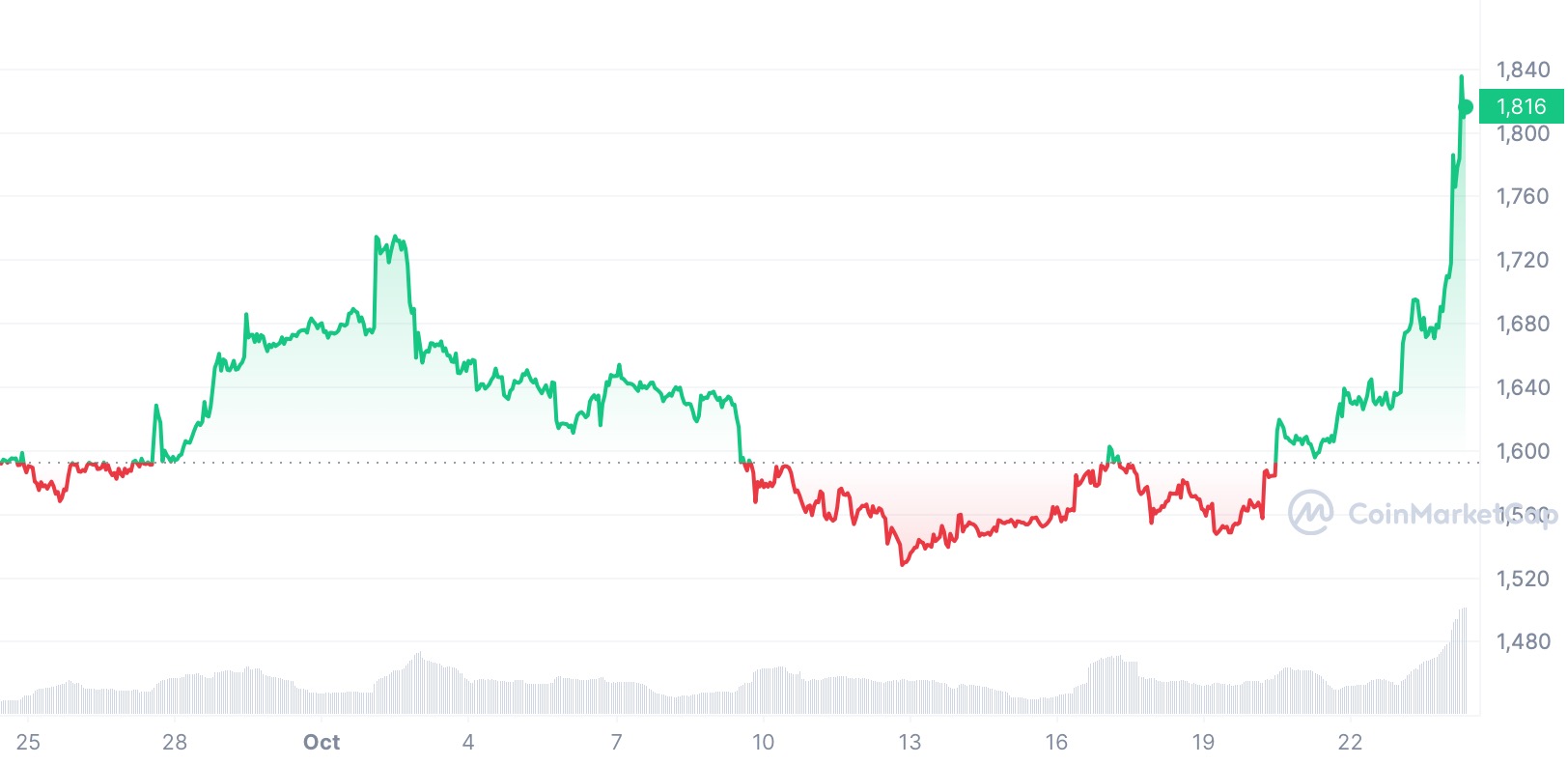
The announcement of BlackRock's crypto ETF has already stirred reactions across the market. Following the news, there was a noticeable spike in Ethereum's trading volume and price, indicating strong interest from both retail and institutional investors. The long-term effects of this ETF could lead to increased adoption of Ethereum, potentially driving its price upward as more institutional capital flows into the asset.Experts have varied opinions on BlackRock's crypto ETF.
Some anticipate that it will bring significant legitimacy to the crypto space, while others caution about the volatility that may accompany such products. Regardless, the sentiment around BlackRock's move is largely positive, suggesting a bullish outlook for Ethereum.
Comparison of BlackRock's ETF with Competitors
Several companies are also attempting to launch crypto ETFs, each with a unique focus. Companies like Fidelity and Grayscale have made strides in the crypto ETF space, but BlackRock's extensive market reach and experience could give it a competitive edge.
| Company | ETF Focus | Assets Under Management | Unique Features |
|---|---|---|---|
| BlackRock | Ethereum | $X Billion | High liquidity and established reputation |
| Fidelity | Bitcoin | $Y Billion | Strong institutional backing |
| Grayscale | Diverse Cryptos | $Z Billion | Wide range of asset offerings |
Investment Strategies Involving BlackRock's Crypto ETF
Investors looking to include BlackRock's crypto ETF in their portfolios should consider various strategies. One potential approach is to create a balanced portfolio that incorporates traditional assets alongside cryptocurrencies, thereby mitigating risk. For instance, combining the ETF with equities or bonds can provide a hedge against volatility in the crypto market. Additionally, investors should implement risk management techniques, such as setting stop-loss orders or diversifying their crypto holdings, to safeguard their investments.
Future Outlook for BlackRock Crypto ETF and Ethereum
Looking ahead, the potential developments for BlackRock's crypto ETF in the evolving crypto landscape are promising. As the market matures and regulatory frameworks become clearer, the ETF could attract significant capital inflows, further legitimizing Ethereum in the eyes of institutional investors.Predictions regarding Ethereum's evolution suggest that it will continue to play a pivotal role in the broader financial ecosystem, especially with advancements in decentralized finance (DeFi) and non-fungible tokens (NFTs).
Emerging trends, such as increasing institutional adoption and greater regulatory clarity, will likely influence BlackRock's ETF strategy moving forward.
Ultimate Conclusion

In conclusion, the BlackRock crypto ETF focusing on Ethereum not only represents a pivotal moment for institutional investment but also sets the stage for broader acceptance and integration of cryptocurrencies into traditional finance. As market reactions unfold and regulatory landscapes evolve, the potential for Ethereum to thrive amidst these changes appears promising, making it an exciting topic for both investors and enthusiasts alike.
FAQ Summary
What is a crypto ETF?
A crypto ETF is an exchange-traded fund that tracks the price of cryptocurrencies, allowing investors to gain exposure without directly holding the underlying assets.
Why is BlackRock focusing on Ethereum for their ETF?
BlackRock sees Ethereum as a favorable choice due to its technological advantages and growing adoption in various decentralized applications.
How might a BlackRock ETF affect Ethereum's price?
The introduction of a BlackRock ETF could drive significant institutional investment, potentially increasing demand and positively impacting Ethereum's price.
Are there any risks associated with investing in crypto ETFs?
Yes, like all investments, crypto ETFs carry risks such as market volatility, regulatory changes, and the inherent risks associated with cryptocurrency itself.
What are the expected regulatory challenges for BlackRock's ETF?
BlackRock may face challenges related to compliance with existing securities regulations and potential scrutiny from regulatory bodies regarding the nature of the underlying assets.